
Emerging Technologies in AI Learning Platforms: Preparing for the Future
The Rise of AI Learning Platforms
Artificial Intelligence (AI) is rapidly transforming the landscape of education through innovative learning platforms. These platforms are designed to offer personalized learning experiences, adapting to individual student needs and preferences. As AI continues to evolve, it is crucial to understand the emerging technologies shaping these platforms and how they are preparing us for the future.
Adaptive Learning Systems
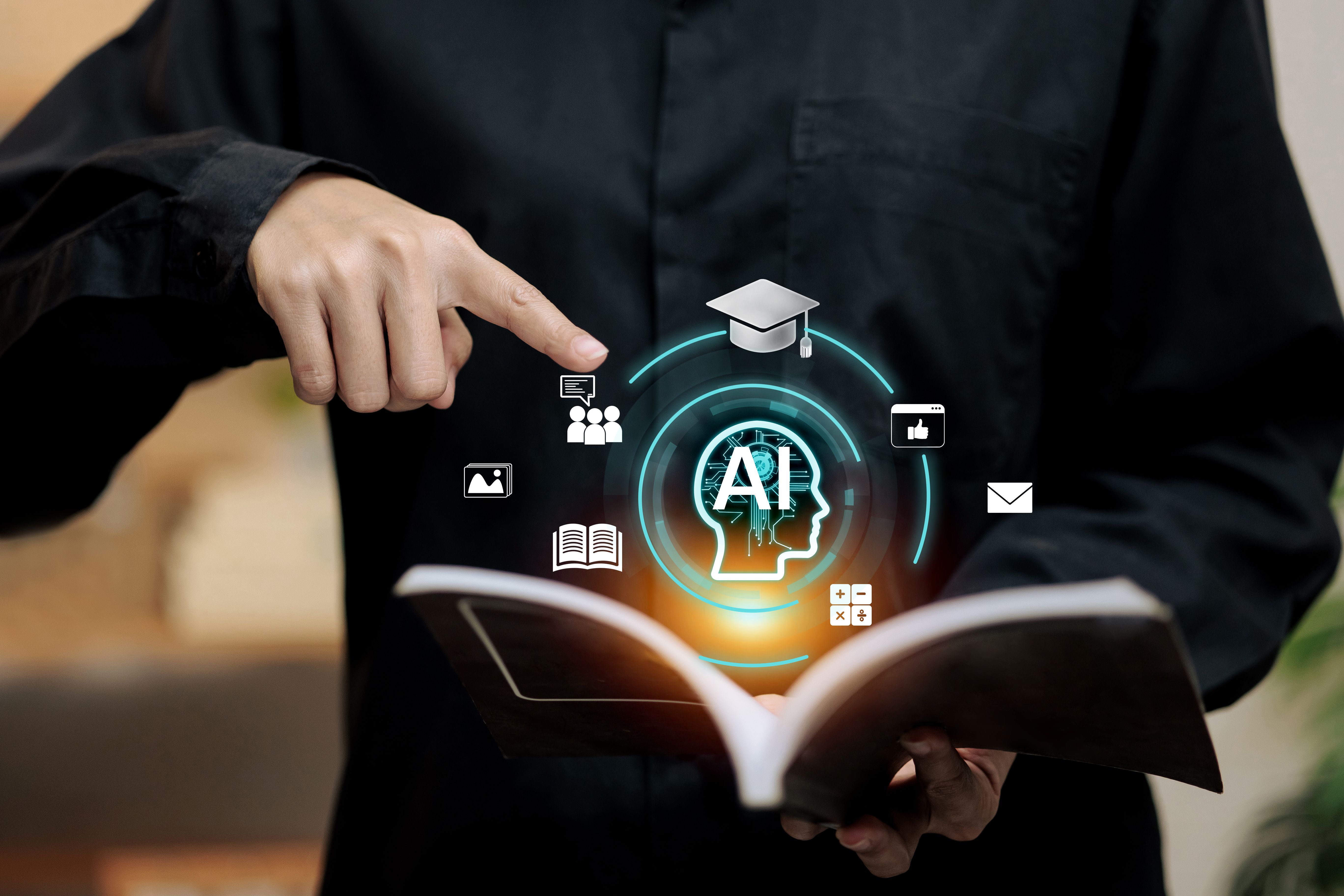
One of the most significant advancements in AI learning platforms is the development of adaptive learning systems. These systems use algorithms to analyze a student’s progress and adjust the curriculum accordingly. This ensures that each student receives a tailored education that targets their strengths and weaknesses, promoting more effective learning outcomes.
Adaptive learning systems often employ a variety of data points, including quiz results and engagement metrics, to customize the learning path. As a result, students can learn at their own pace, which can significantly enhance their educational experience.
Natural Language Processing
Natural Language Processing (NLP) is another critical technology in AI learning platforms. NLP enables machines to understand and respond to human language, making it possible to create more interactive and intuitive educational tools. With NLP, students can engage with AI tutors that provide instant feedback and support, enhancing the learning process.
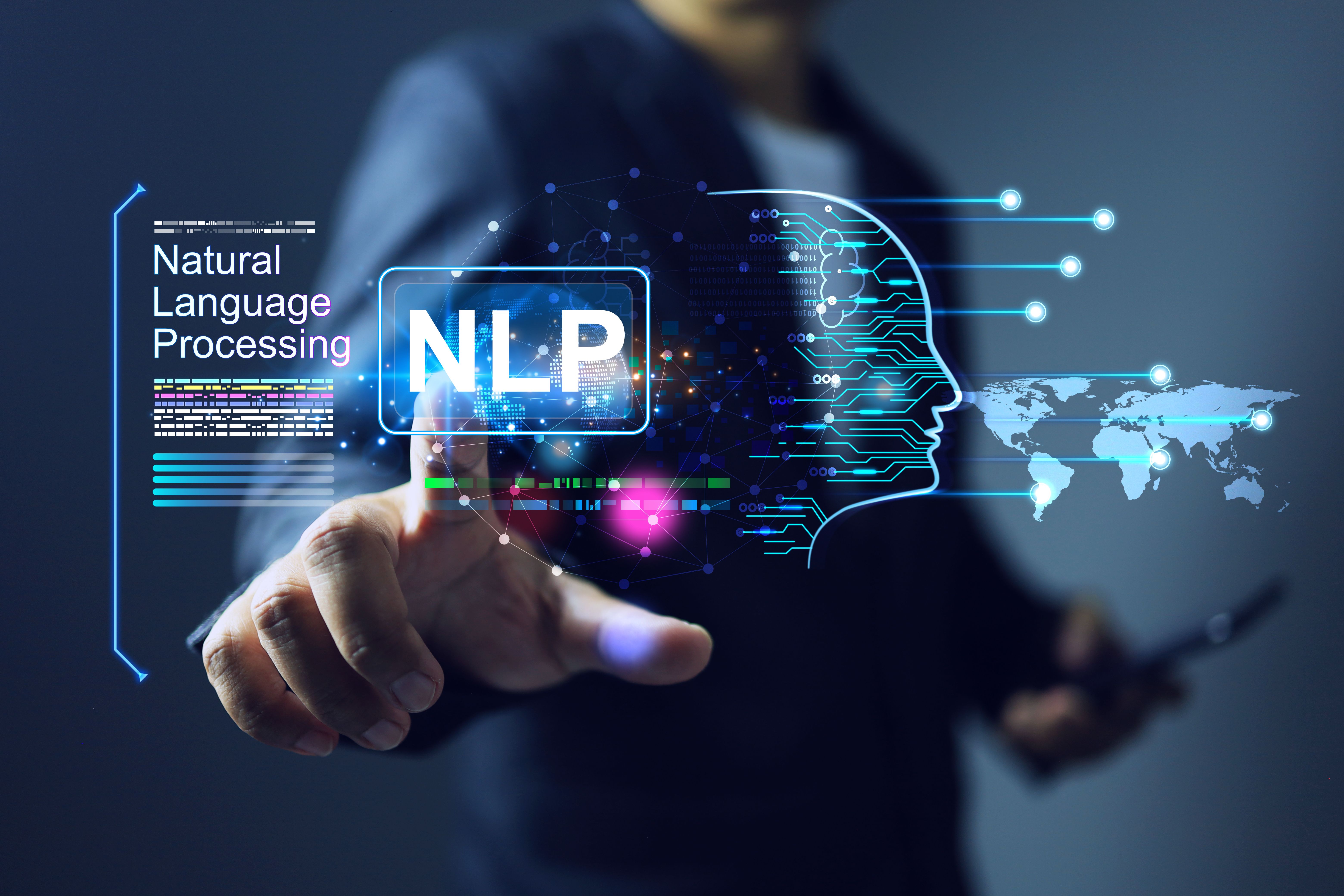
Moreover, NLP can help in developing content that caters to different language proficiencies, breaking down barriers and allowing students worldwide to access high-quality education.
Data-Driven Insights
AI learning platforms leverage data analytics to provide valuable insights into student performance and behavior. Educators can use these insights to identify trends, predict future performance, and intervene when necessary to ensure student success. This data-driven approach allows for more informed decision-making and personalized teaching strategies.
By understanding how students interact with the content, platforms can continuously refine and improve the learning experience, making it more effective and engaging.

Virtual and Augmented Reality
Virtual Reality (VR) and Augmented Reality (AR) are emerging technologies that are starting to play a significant role in AI learning platforms. These technologies provide immersive learning experiences, allowing students to explore complex concepts in a virtual environment. This hands-on approach can make learning more engaging and memorable.
For instance, VR can simulate historical events or complex scientific phenomena, providing students with a deeper understanding of the subject matter. As these technologies become more accessible, their integration into AI learning platforms is expected to grow.
Preparing for the Future
As AI learning platforms continue to evolve, they offer immense potential to revolutionize education. By integrating technologies like adaptive learning, NLP, data analytics, and VR/AR, these platforms are paving the way for a more personalized and engaging educational experience.
Educators and learners alike must stay informed about these advancements to fully harness the benefits of AI in education. As we prepare for the future, embracing these technologies will be essential in shaping a more efficient and inclusive learning environment.