
Breaking Down the Myths: What You Really Need to Know About AI Education
Understanding AI in Education
The integration of Artificial Intelligence (AI) in education is a topic that often sparks debate, with numerous myths clouding the reality of its potential. It's essential to separate fact from fiction to understand how AI can truly revolutionize the way we learn and teach.
Many people fear that AI will replace teachers, but this is a misconception. AI is designed to complement educators, not replace them. By automating administrative tasks and providing personalized learning experiences, AI allows teachers to focus more on student interaction and mentorship.
Myth: AI is Too Complex for Classrooms
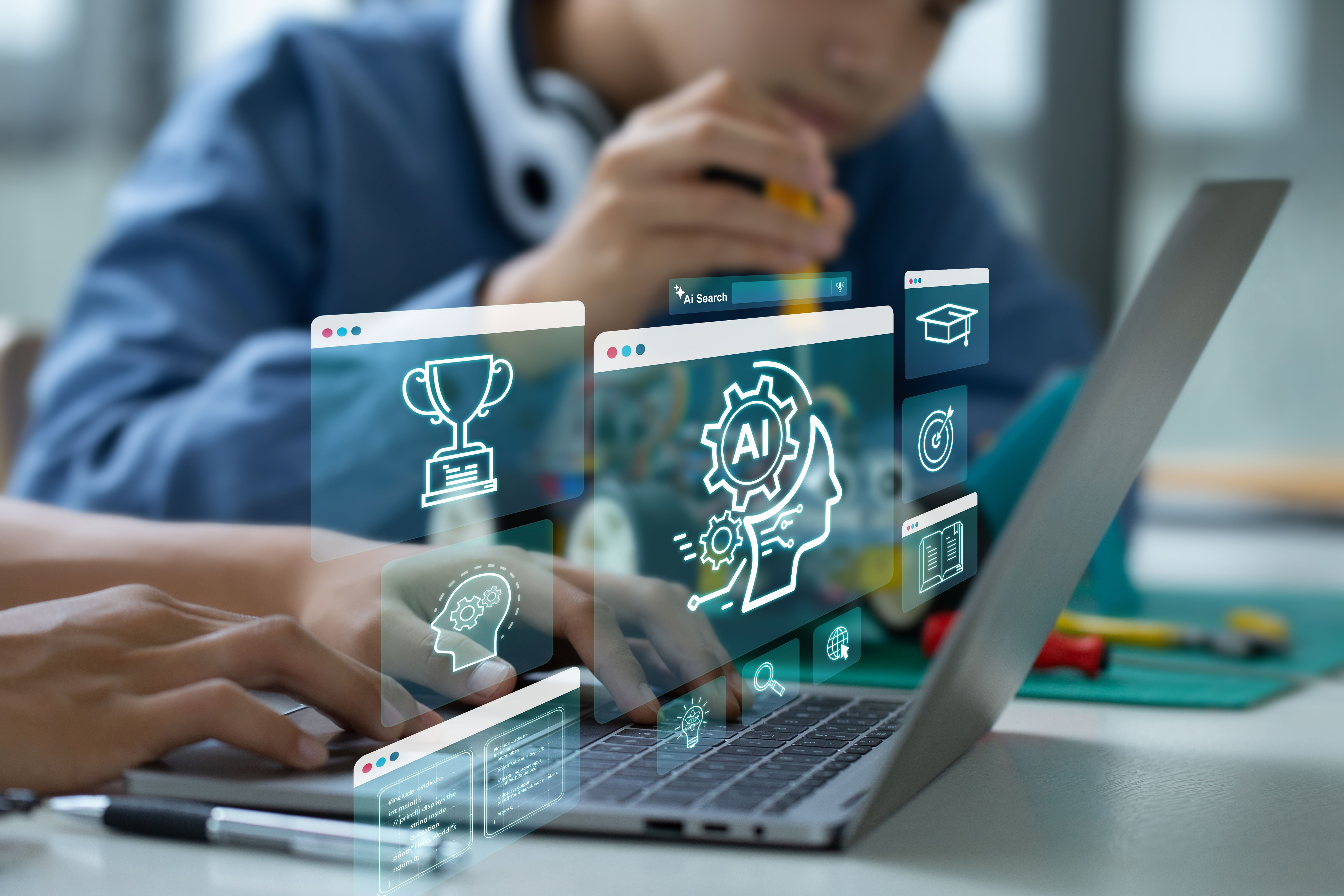
Another common myth is that AI technology is too complex for everyday classroom use. While AI involves sophisticated algorithms, its application in education is becoming increasingly user-friendly. Many AI tools are designed with teachers and students in mind, offering intuitive interfaces and straightforward functionality.
AI can provide personalized learning experiences by analyzing students' progress and adapting to their learning styles. This tailored approach can help address individual needs, making education more inclusive and effective.

AI-Powered Tools
A variety of AI-powered tools are already making a difference in classrooms around the world. Some of these include:
- Intelligent Tutoring Systems (ITS): These systems offer one-on-one instruction, adapting to the pace and style of the learner.
- Automated Grading: AI can grade multiple-choice and short-answer questions, freeing up teachers to focus on more complex assessments.
- Virtual Assistants: These assist both students and teachers in managing schedules, answering questions, and more.
Myth: AI is Only for Tech-Savvy Educators
Some educators worry that they need to be tech experts to use AI effectively. In reality, many AI educational tools are designed to be accessible without requiring advanced technical skills. Training and support are often provided to help teachers integrate AI into their teaching methods seamlessly.

Furthermore, the use of AI in education encourages continuous professional development. Teachers can update their skills and stay current with technological advancements, which ultimately benefits their students.
Ethical Considerations
While the benefits of AI in education are significant, it's important to consider ethical implications, such as data privacy and bias. Ensuring that AI systems are transparent and equitable is crucial for maintaining trust and fairness in educational environments.
Educational institutions must work closely with technology providers to establish guidelines and policies that protect both students and educators. By doing so, they can maximize the benefits of AI while minimizing potential risks.
The Future of AI in Education
Looking ahead, AI is poised to play an even more significant role in education. As technology evolves, we can expect more sophisticated tools that enhance learning and teaching experiences. Embracing AI will empower educators to meet the diverse needs of their students, preparing them for a rapidly changing world.
Ultimately, understanding and addressing the myths surrounding AI in education is the first step towards harnessing its full potential. By focusing on collaboration between AI and educators, we can create a more dynamic, personalized, and effective educational landscape.