
AI Innovations: What’s New in Machine Learning Education
Revolutionizing Machine Learning Education
In recent years, the field of machine learning has experienced tremendous growth, and with it, the need for effective education methods. As technology evolves, so too do the ways we learn and teach. Innovations in AI are significantly reshaping machine learning education, making it more accessible, personalized, and efficient.
Adaptive Learning Platforms
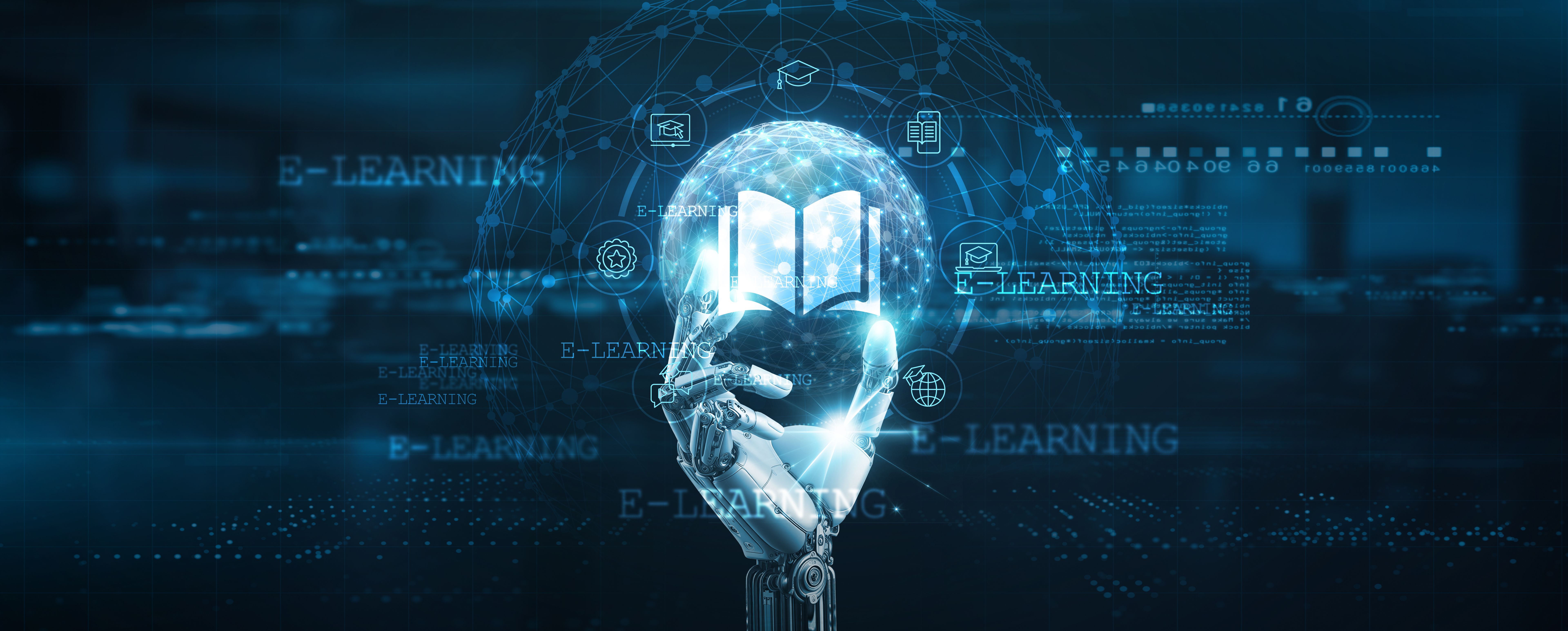
One of the most exciting advancements is the development of adaptive learning platforms. These platforms leverage AI to tailor educational content to the individual needs of each student. By analyzing a learner's progress and understanding, they adjust the curriculum in real-time. This personalized approach ensures that students receive the right level of challenge, helping them learn more effectively.
Adaptive learning platforms often incorporate interactive simulations and real-world problem-solving exercises. This hands-on experience is crucial for mastering complex machine learning concepts, providing a practical understanding that traditional lectures cannot.
AI Tutors and Virtual Assistants
AI-powered tutors and virtual assistants are becoming integral to machine learning education. These tools offer 24/7 support, answering questions, providing explanations, and guiding students through difficult topics. The immediate feedback and assistance help maintain student motivation and engagement, which are critical for successful learning outcomes.

Moreover, these AI systems can identify common areas of difficulty and suggest additional resources or exercises. This targeted assistance allows learners to focus on their weak points, accelerating their progress and building confidence in their abilities.
Immersive Learning Experiences
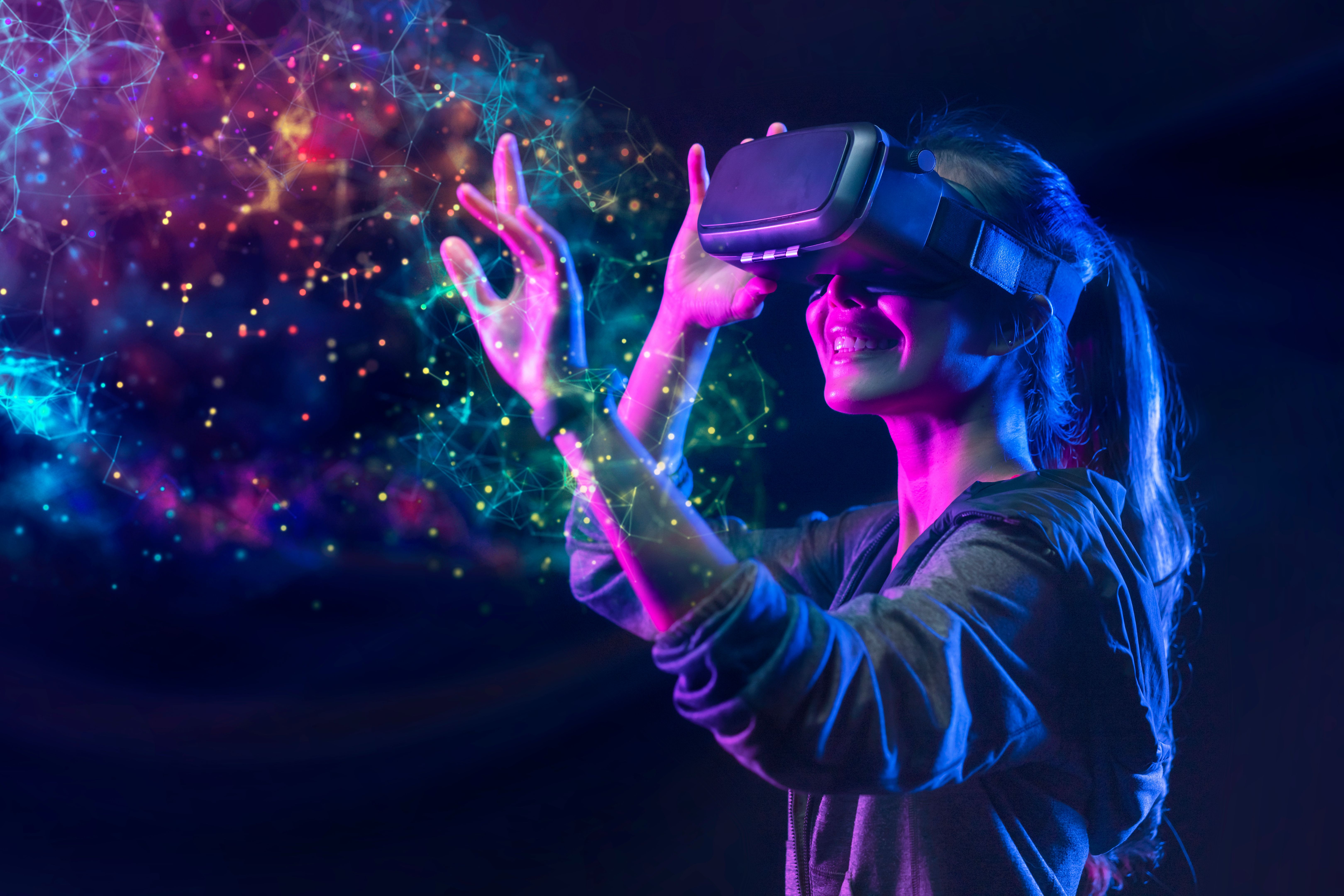
Virtual and augmented reality technologies are creating immersive learning experiences that were previously unimaginable. By simulating real-world environments, students can experiment with machine learning models in a controlled, interactive space. This experiential learning encourages exploration and creativity, fostering a deeper understanding of the subject matter.
For instance, students can visualize data sets and algorithms in 3D, enhancing their comprehension of abstract concepts. This visual approach is especially beneficial for complex topics, making them more accessible and engaging.
Collaborative Learning through AI
Collaboration is a vital component of modern education, and AI is facilitating this through innovative tools. Platforms that incorporate machine learning algorithms can group students based on their learning styles, enabling effective peer-to-peer interactions. These collaborative environments promote diverse perspectives and knowledge sharing, enriching the educational experience.
Additionally, AI-driven analytics can provide educators with insights into group dynamics and individual contributions, allowing them to tailor group activities for optimal learning outcomes.
The Future of Machine Learning Education
As AI continues to advance, the future of machine learning education looks promising. Emerging technologies will further enhance personalization, accessibility, and engagement, ensuring that learners of all backgrounds can benefit from high-quality education.
Educational institutions and organizations must embrace these innovations to remain competitive and relevant. By integrating AI into their teaching methodologies, they can prepare students for the rapidly evolving tech landscape, equipping them with the skills needed to thrive in the digital age.